Resources / Typing speed
How to type faster
Most people type around 40 words per minute, half of what the same hands manage after a few weeks of deliberate practice. The method is not a secret: touch typing, accuracy before speed, and a daily race or two to keep it honest. Here is the whole of it, in the order that works.
- 40WPM average
- 80WPM touch typist
- 150WPM top racers
- 216WPM record
Accuracy first. Speed is a by-product.
Anchor on the home row
Fingers rest on ASDF and JKL;. The bumps on F and J exist so you can find them without looking. Every key is a short trip from home and the fingers return after each stroke.
Fix accuracy before chasing speed
A correction costs three keystrokes: the error, the backspace, the retype. Hold error rate under 2% and let the pace climb on its own. Typing fast and wrong is slower than typing right.
Use all ten fingers, one job each
Every key belongs to exactly one finger. Two-finger hunting caps out near 40 WPM because the hands travel; ten assigned fingers barely move. Relearning stings for two weeks, then pays forever.
Eyes on the screen, never the keys
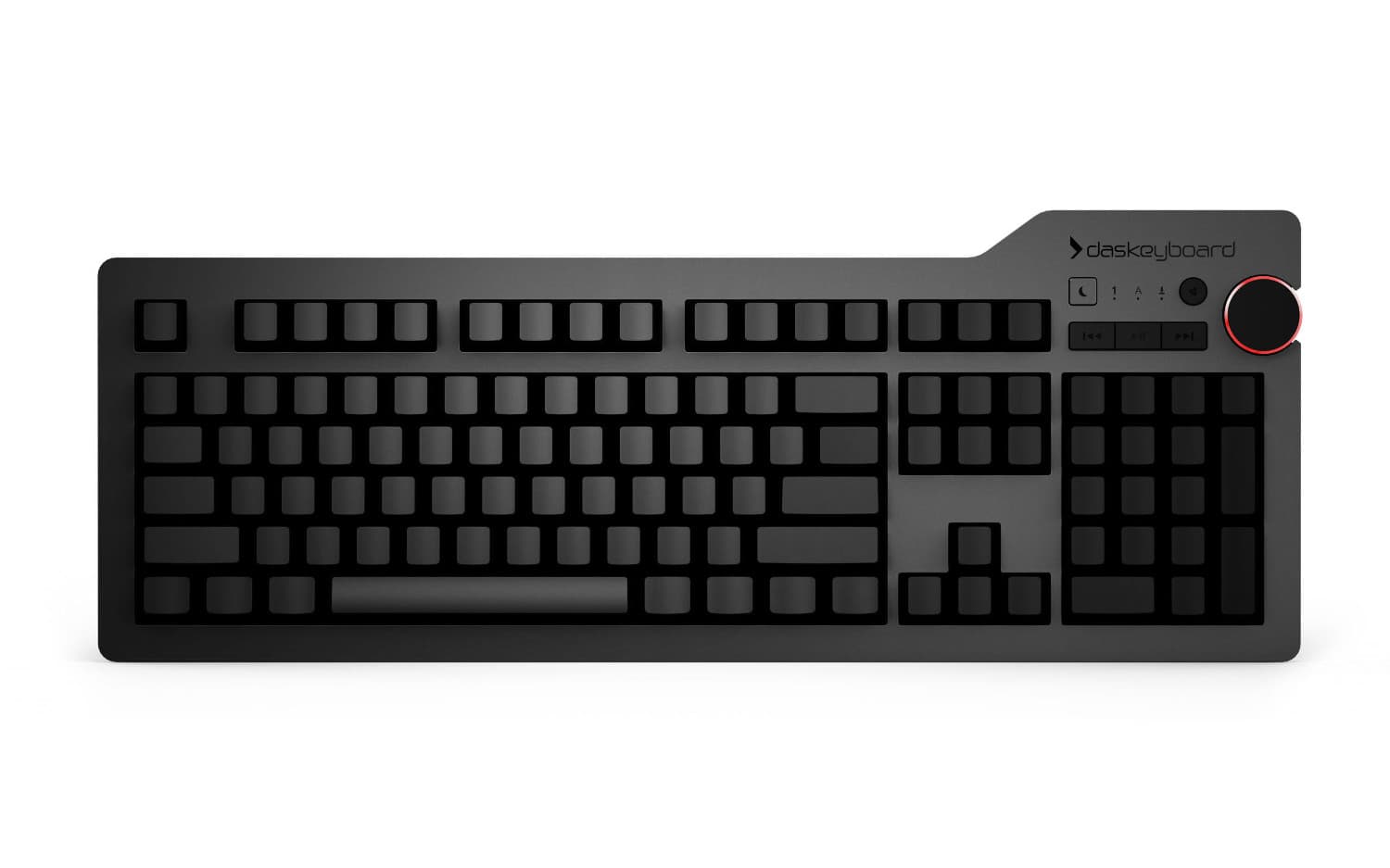
Looking down breaks rhythm and hides your errors until it is too late to fix them cheaply. This is the entire premise of the blank-keycap Das Keyboard Ultimate: remove the temptation.
Keep an even cadence
Sprint-and-stall loses to a steady beat. Type to a rhythm slightly below your burst speed and hold it through the hard words. Consistency is what moves the average.
Sit like you mean it
Elbows near 90°, wrists floating above the deck, screen at eye height. Slouched wrists plant on the desk and force the fingers to stretch for every reach. Posture is a speed setting.
Practice like it is a sport
Drills build technique; racing builds speed. Ten to fifteen minutes a day of short, scored sprints beats an hour of unfocused copying, because a race gives you the two things practice needs: a pacer ahead of you and a number at the end.
Watch the accuracy figure, not the podium. When you can hold 97%+ while racing, your speed on ordinary work has already gone up. The race just made you do the reps.
TyprX is our free typing-race app: real-time multiplayer races in the browser, private tracks for your team or classroom, and a long-term WPM history so you can see the curve bend.
 Free · in the browser
- Live multiplayer races against friends, teammates, or strangers
- Private tracks for offices and classrooms
- WPM and accuracy history, so progress is a chart and not a feeling
The keyboard's share of the speed
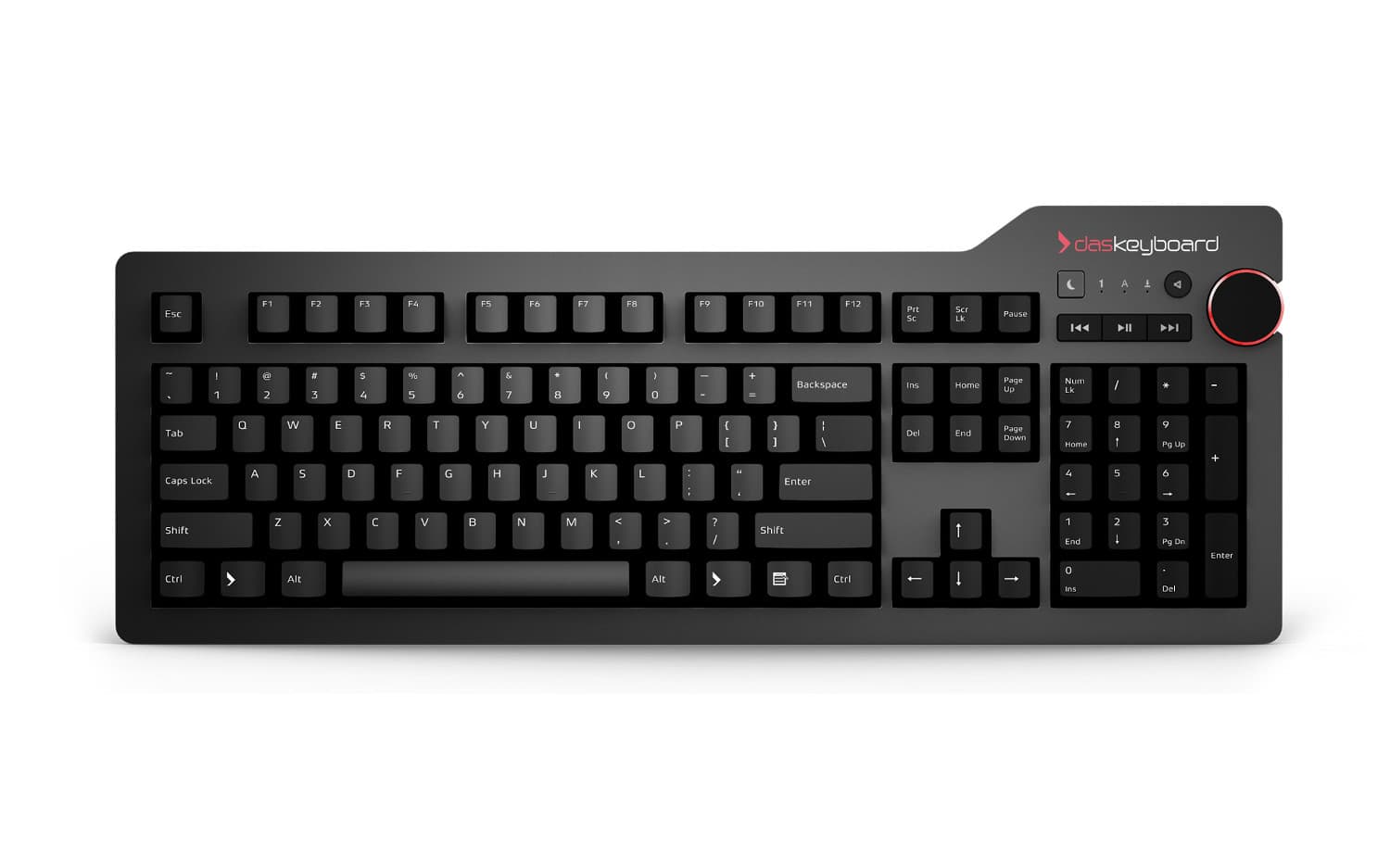
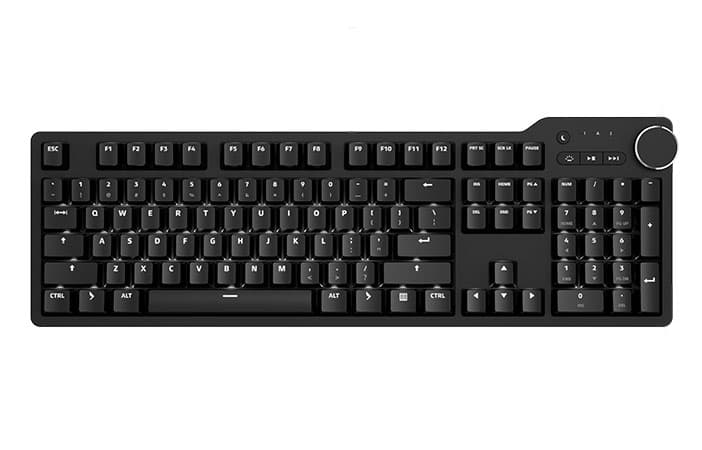
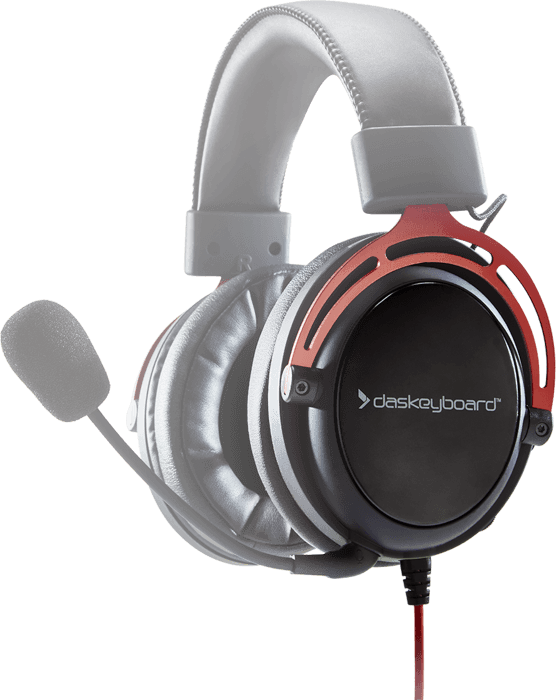
Technique does most of the work, but a mechanical switch actuates mid-travel, so you stop bottoming out, and full NKRO means no chord ever ghosts. Three keyboards typists buy, and the wired headphones that keep the room out of your reps.
Questions typists ask
How long does it take to get faster?
With 15 minutes of daily practice, most hunt-and-peck typists reach 60 WPM in four to eight weeks. The first two weeks feel slower; that is the technique change paying its up-front cost. Past 80 WPM, gains come from accuracy and rhythm rather than finger speed.
What is WPM?
WPM stands for words per minute, the standard measure of typing speed. A word is standardized as five characters including spaces, so WPM equals characters typed, divided by five, divided by minutes elapsed. Most tests count only correctly typed words, which is why accuracy drags the number down faster than slow fingers do.
What is a good WPM?
The average typist sits around 40 WPM. For professional work, 60 to 70 WPM is comfortable, and 80 and up is solid touch-typist territory. Competitive racers hold 150 WPM and beyond, and the fastest English typists have been recorded above 200. For most people, 80 accurate WPM is a better goal than 120 sloppy ones.
Do mechanical keyboards actually make you faster?
Technique does most of the work; no keyboard turns a hunt-and-peck typist into a racer. What a mechanical switch changes is the ceiling: it actuates mid-travel so you can stop bottoming out, the tactile point tells your fingers a stroke registered without looking, and full NKRO means fast chords never drop a letter. Most typists report the same speed with less effort, and effort is what limits a long day.
Which switch is best for typing speed?
Tactile switches like Cherry MX Brown are the usual pick: a bump marks the actuation point without the noise. Clicky Blues give the clearest feedback and are the classic typist's switch, if the room can take it. Linear switches like Red have no bump, which some racers prefer. Feel matters more than the spec sheet, so read the switch comparison. Eligible direct purchases can be returned within 30 days, subject to our Return Policy.
Are typing races good practice or just a game?
Both, which is why they work. A race is deliberate practice with a scoreboard: it enforces accuracy scoring, gives you a pacer, and compresses a session into a few focused minutes. The failure mode is racing for the podium and letting accuracy collapse; hold 97% and up and the speed carries over to your everyday typing.
The short version
Accuracy first. Ten fingers. Race daily.
Start a race on TyprX
Free. No account needed for your first race.